
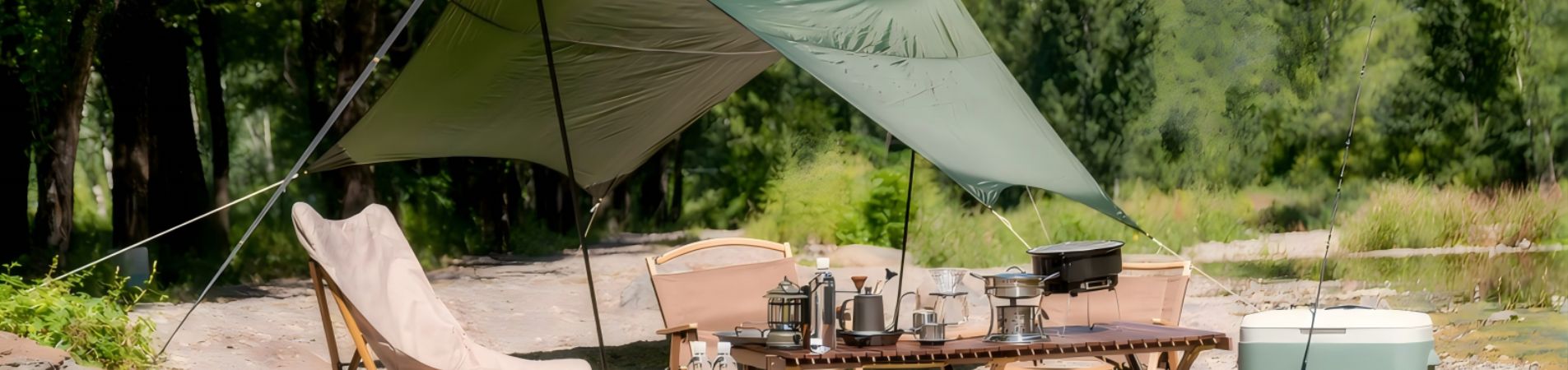
In 2026, canvas tents are experiencing a true renaissance. Once pushed aside by ultralight synthetics, these classic shelters are back in a big way—beloved by dedicated campers, glampers, hunters, and overlanders who crave real durability, natural breathability, and comfort that lasts through seasons (and even generations). With more people seeking sustainable gear that doesn't need replacing every few years, canvas tents deliver: superior temperature regulation, minimal condensation, and the toughness to handle rain, wind, snow, and sun without falling apart.
Why These Are the Top 10 Canvas Tents for 2026
So why these 10 as the best canvas tents of 2026? We focused on proven standouts that excel in key areas: heavyweight, treated cotton canvas for unmatched weather resistance and longevity; thoughtful designs (bell, wall, cabin, and flex-bow styles) that balance setup ease with livable space; stove compatibility for four-season use; breathability to cut down on that dreaded muggy feel; and strong reputations from rigorous field testing, lifetime warranties where possible, and thousands of satisfied users. These models rise above the rest for their blend of comfort, sustainability (natural materials that biodegrade responsibly), and reliability—no shortcuts, just gear built to last. From iconic American-made classics to innovative bell tents that make glamping effortless, this top 10 reflects what's performing best right now.
Whether you're upgrading from a leaky synthetic or discovering canvas for the first time, these picks will elevate your adventures. Let's get into the details—here are the best canvas tents available in 2026.
1. Kodiak Canvas Flex-Bow Deluxe Tent
The Kodiak Flex-Bow Deluxe is a rugged, reliable favorite for car camping and basecamps in 2026. Popular sizes: 10x10 ft (sleeps 4–6 with gear) or 10x14 ft (ideal for families, up to 8 people).
It uses heavy-duty Hydra-Shield™ treated cotton duck canvas (10 oz roof, 8.5 oz walls, marine-grade silicone finish) that swells when wet for excellent waterproofing while staying breathable to cut condensation. The signature Flex-Bow frame (tempered spring steel rods + galvanized tubing) keeps it taut and stable with minimal guylines.
Standout features: dual large D-shaped doors for cross-ventilation, adjustable vents + mesh windows, built-in awning, YKK zippers, translucent roof for bright natural light, stove jack option, and 6'6" peak height (comfortable standing centrally). Setup: 10–30 minutes once practiced (one person possible, but stake solidly—not freestanding). Weight: 70–85 lbs.
Pros
- Exceptional wind/weather resistance—stands firm in high gusts where others fail
- Superior breathability & low condensation (cooler summers, drier feel)
- Spacious, livable interior with full central standing height
- Long-lasting durability (10+ years common with care) + replaceable parts
- Bright & airy thanks to translucent roof and large windows
- Great value—premium performance at a competitive price
Cons
- Heavy & bulky (vehicle access only, not backpacking)
- Needs solid staking (rocky ground may require alternatives)
- Angled sidewalls reduce edge headroom
- No built-in vestibule (add-on extra)
- Initial seasoning recommended for max waterproofing
Why It Stands Out in 2026
In a sea of lightweight tents, the Kodiak delivers heirloom-quality reliability—often called the "tank of canvas tents". Thousands of user stories (guides, hunters, festival goers) prove it handles brutal conditions with ease. Smart ventilation, rock-solid frame, and natural climate control make it the go-to for dependable, long-term comfort.
2. Springbar Traveler Tent
The Springbar Traveler is an iconic, USA-made classic that's been a legend since the 1960s—perfect for car camping, basecamps, or anyone wanting heirloom-quality canvas in 2026. Standard size: 10x10 ft (100 sq ft floor, sleeps 2 luxuriously, 4 comfortably, up to 6 max with gear). Peak height: 6.5 ft for full standing room.
It uses premium Sunforger®-treated 100% cotton duck canvas (8.5 oz walls, 10.1 oz roof)—boat-shrunk, water-repellent, mold-resistant, and highly breathable (swells when wet for watertight seal, expands when dry for ventilation). The patented frame combines corrosion-resistant aluminum poles, steel reinforcements, and tempered spring steel tension rods for rock-solid stability. Features include one 26" wide mesh door, three full-height no-see-um mesh windows for airflow/views, integrated 6'x6' shade awning (portico panels add-on), heavy-duty #10 YKK zippers, seamless vinyl waterproof floor, zippered cord port, hanging organizer + mesh gear loft, and steel wire stake loops with perimeter rope reinforcement. Total weight: ~72 lbs (tent body 42 lbs, poles 22 lbs, stakes 8 lbs). Setup: quick 1-person job (stake + tension poles), though hammering stakes takes effort—non-freestanding, best stored dry to avoid mold.
Pros
- Insanely durable & weatherproof—handles high winds (30-60+ mph gusts), rain, hail, heat like a champ; users report zero leaks in monsoons/storms
- Outstanding breathability & condensation control—stays cooler in summer, warmer in winter, no muggy feel
- Spacious, home-like interior with standing height; great for families, groups, or extended trips
- Made in USA (Salt Lake City) with replaceable parts—built to last decades/generations with care
- Thoughtful details: strong stake system, bright ventilation, add-ons like storm fly/portico for versatility
- Timeless design & quality—often called "the last tent you'll ever need"
Cons
- Heavy & bulky (72 lbs total—not for backpacking; vehicle access required)
- Setup requires staking/tensioning (elbow grease for stakes; not instant like pop-ups)
- Must dry fully before packing to prevent mold (standard for canvas)
- Premium price (~$1,299 MSRP)—investment, but pays off in longevity
- Limited standard vestibule (awning helps, but add-ons extra for full coverage)
Why It Stands Out in 2026
In an era of disposable gear, the Springbar Traveler delivers unmatched reliability and sustainability—USA-crafted, biodegradable cotton, and proven in extreme conditions (deserts to monsoons). Thousands of loyal users (hunters, overlanders, families) praise its bombproof wind hold, superior comfort, and "buy once" vibe. The tensioned frame minimizes guyline hassle, breathable canvas beats synthetics for livability, and decades-long track record make it a top heritage pick for serious campers seeking timeless performance over trends.
3. White Duck Regatta Bell Tent (13' model)
The White Duck Regatta 13 ft Bell Tent is a top glamping and basecamp favorite in 2026—affordable luxury that delivers big on space, ease, and toughness. Diameter: 13 ft (about 133 sq ft floor), center height: 8'2", door height: 6'6", wall height: 2'7". Sleeps up to 6 comfortably (ideal for 3-4 with cots/gear/stove), or 2-3 in glamping style.
It features premium 8.5 oz army duck 100% cotton canvas (DynaDuck™ treated for water-repellent, mold-resistant, UV protection—breathable yet swells when wet for waterproofing). Includes a sewn-in heavy-duty PE groundsheet (bathtub style), galvanized steel center pole + door pole, shock-absorbing guyline system, 4 roof vents for airflow, 3 large zippered windows with premium bug mesh, double-layered canvas doors/windows, stove jack (pre-cut for 5" or 6" pipes, silicone-coated), electrical cable outlet, interior pockets, heavy-duty #10 zippers, reflective UV-resistant guylines, and a full tool kit (stakes like rebar-thick, mallet). Weight: 66-71 lbs (depending on water-repellent or fire/water version). Setup: 20-30 minutes (one person possible first time, faster with help—stake perimeter, raise center pole, tension guylines).
Pros
- Outstanding weather resistance—repels heavy rain, sleet, snow, and high winds (70+ mph tested) with no leaks; guylines and conical shape shed gusts effortlessly
- Excellent breathability & minimal condensation—stays comfortable in heat or cold; no muggy feel even after rainy nights
- Spacious & cozy interior—tall center for standing/moving, room for cots, stove, table; feels like a mobile yurt
- Quick & easy setup/teardown—under 30 minutes seasoned; great for hunting, festivals, or frequent moves
- Strong value—high-quality materials at ~$800 price point; durable for years, stove-compatible for 4-season use
- Thoughtful features: bug mesh, electrical port, optional awning for extra versatility
Cons
- Heavy & bulky (66-71 lbs—not backpacking; needs vehicle/truck transport)
- Single center pole in doorway can obstruct entry/exit slightly (though manageable)
- Fewer windows than some premium bells (darker interior in darker colors; lighter tan helps)
- Floor can feel slick (PE material); initial seasoning soak/dry recommended for peak waterproofing
- Stakes are heavy-duty but require solid ground (alternatives needed in rocky spots)
Why It Stands Out in 2026
The Regatta 13' shines as the sweet-spot bell tent—balancing premium performance, quick pitch, and affordability in a market of pricey options. Real-world tests (elk hunts, monsoons, high-altitude winds) prove its rock-solid build, stove-ready warmth, and glamping comfort without excess weight or complexity. Users call it "bulletproof" and "the best bang-for-buck canvas tent"—ideal for families, hunters, or anyone wanting effortless luxury that lasts seasons (or decades) over flimsy alternatives.
4. Springbar Skyliner Tent
The Springbar Skyliner is a premium, USA-made hot tent evolution in 2026—designed for harsh weather and wood stove use, offering more interior volume than classics like the Jack 140. Standard size: 10x14 ft (140 sq ft floor, ~30% more cubic space from straighter walls and taller roof). Peak height: 6.5 ft for full standing room throughout.
It uses top-tier Sunforger®-treated 100% cotton duck canvas (‘gold standard’ fabric: waterproof, mold-resistant, highly breathable—swells wet for seal, expands dry for ventilation). Beefed-up frame includes USA-made aluminum poles, stabilizer poles for heavy wind/snow/rain stability, oversized door, large back windows + triangle side window, YKK zippers, zippered cord port (solar/generator), hanging organizers (vertical/horizontal setup), gear loft with light-hanging strap, stove jack (compatible only with Winnerwell® wood stoves + Springbar Hot Tent system—includes flap that doubles as a small window). Weight: ~80-100 lbs (heavier due to reinforcements; packed bulky for vehicle transport). Setup: quick 1-person possible (stake + tension poles), though stabilizer adds steps—non-freestanding, dry storage essential to prevent mold.
Pros
- Superior 4-season performance—extra burly frame handles high winds, rain, snow (snow loads need management); stands firm in storms where others struggle
- Excellent hot tent readiness—stove jack + system turns it into a warm winter cabin; flap doubles as window for summer
- Spacious & livable—straighter walls + bigger roof give massive cubic volume (fits family, cots, table, stove, gear comfortably)
- Outstanding breathability & condensation control—cotton canvas keeps it cool/dry in heat, cozy in cold
- USA-crafted in Salt Lake City with replaceable parts—built to last decades; high-quality details like organizers and cord port
- Versatile for extended trips, hunting, overlanding, or family basecamps—praised as "the toughest Springbar ever built"
Cons
- Heavy & bulky packed size (vehicle-only; not backpacking-friendly)
- Premium price (~$2,000+)—significant investment, though justified by features and longevity
- Stove compatibility limited to Winnerwell® system (no portico panels; add-ons like StormFly® available separately)
- Setup more involved with stabilizers (still quick once practiced, but requires solid staking)
- Must dry fully before storage to avoid mold (standard for canvas)
Why It Stands Out in 2026
The Skyliner redefines premium canvas hot tents—delivering unmatched space, toughness, and stove warmth in one package. Real users (hunters, families, desert campers) rave about its bombproof weather hold, cozy livability, and "buy once" heirloom quality from USA craftsmanship. With extra volume over classics, smart features like stabilizer poles and gear organizers, plus proven performance in extremes (winds, snow, heat), it's the go-to for serious adventurers wanting reliable, versatile comfort that outlasts trends and cheaper alternatives.
5. Springbar Classic Jack 140 Tent
The Springbar Classic Jack 140 is a spacious, versatile wall-style canvas tent in 2026—ideal for family basecamps, extended trips, or hot tent winter camping. Footprint: 10x14 ft (140 sq ft floor space), peak height: 6.5 ft for full standing room. Sleeps 4-6 comfortably (up to 8 max), great for cots, table, gear, and even a stove setup.
It features premium 10 oz cotton duck canvas throughout (roof and walls: water-repellent, mold-resistant, highly breathable—swells wet for seal, expands dry for ventilation), sewn-in heavy-duty vinyl floor (unlike many floorless walls), beefy #10 coil zippers, EP-coated steel pole set, generous built-in shade awning, 1 large back window, 2 large end panel windows (stove jack removable), full-height front window, 34” wide door with mesh interior for views/airflow, lantern strap, woven zipper pulls, interior pockets, and zip-in stove jack accessory (compatible with Winnerwell wood stoves for 4-season use). Weight: ~80-100 lbs (heavier for reinforcements; vehicle transport required). Setup: fast and easy (one of the quickest canvas tents—stake down, tension poles, no guy lines needed for basic stability; 15-30 minutes seasoned).
Pros
- Fastest/easiest canvas setup tested—zero guy out points needed, quick pitch for weekend or extended trips
- Excellent hot tent capability—zip-in stove jack turns it into a warm 4-season cabin; users stay cozy in freezing temps
- Spacious & cabin-like—140 sq ft with standing height, room for beds, table, chairs, stove, and movement
- Superior breathability & weather resistance—cotton keeps it cool/dry in summer, warm in winter; handles rain/wind well
- Sewn-in vinyl floor + thoughtful features (awning, multiple windows, lantern strap) add comfort and convenience
- Great value for features—durable, versatile for family, hunting, or glamping; built to last with good care
Cons
- Heavy & bulky (vehicle access only—not backpacking; takes space in storage/transport)
- Stove jack is add-on accessory (extra cost; limited to Winnerwell compatibility for best fit)
- Imported production (some users note slight quality edge to USA-made Springbar models like Skyliner)
- Requires full drying after use to prevent mold (standard for canvas; air dry thoroughly)
- Higher price (~$1,300-$1,500 range)—investment, but pays off in longevity and performance
Why It Stands Out in 2026
The Classic Jack 140 delivers big on ease, space, and year-round versatility—often called one of the most comfortable and practical canvas hot tents available. Real users (families, hunters, winter campers) love its quick setup, sewn-in floor, massive livable area, and reliable stove warmth in cold conditions. With proven wind/rain hold, natural breathability beating synthetics, and "portable cabin" feel for extended adventures, it's a smart, no-compromise pick for those wanting durable comfort without extreme complexity or cost.
6. Snowtrekker 9x11.5 Basecamp Tent
The Snowtrekker 9x11.5 Basecamp is a premium, lightweight hot tent favorite in 2026—optimized for winter/basecamp use with excellent headroom and packability. Footprint: 9x11.5 ft (~103 sq ft), ridge height: 84" (7 ft), sidewall height: 28" (taller for cots/gear/drying lines). Sleeps 2-4 comfortably (ideal for 2-3 with stove, cots, and space to move).
It uses proprietary 7 oz cotton canvas (lightweight yet durable, water-repellent, mold-resistant, highly breathable—swells wet for seal, excellent condensation control). Features internal shock-corded aluminum frame (Easton tubing for easy setup), 12" synthetic sod cloth, 5" stove jack (corner placement, compatible with medium stoves like Alaskan Jr.), reinforced stress points, guy-out ropes, no-see-um mesh options in Pro packages (removable screen door/window). No built-in floor (use separate tarp/groundsheet). Total weight: ~26.8 lbs (tent ~18.5 lbs + frame ~8.3 lbs—split-pack friendly). Setup: quick & intuitive (internal frame, 15-30 minutes seasoned; one person possible, no external guy lines for basic stability—add for wind).
Pros
- Lightweight & packable for a canvas hot tent—easy to split loads for backpacking/sledding; much lighter than traditional walls
- Superior winter performance—handles snow load (clear roof in heavy falls), high winds, cold temps; stove placement keeps heat efficient
- Great headroom & usable space—tall ridge + 28" sidewalls allow standing/sitting on cots/chairs, drying gear, relaxing comfortably
- Excellent breathability & low condensation—stays cozy/dry inside even in extreme cold; beats synthetics for livability
- Quick setup & sturdy internal frame—flawless in wind/snow; users praise ease after initial practice
- High-quality USA craftsmanship—durable, replaceable parts, 3-year warranty; "gold standard" for serious winter/hot tenting
Cons
- No built-in floor (requires separate tarp/groundsheet; can be slippery on some surfaces)
- Premium price (~$1,900+ base)—investment, though lighter/more packable than heavier competitors
- Requires clearing snow from roof in heavy falls (standard for canvas; not auto-shedding like steeper pitches)
- Stove jack limited to 5" diameter (specific compatibility; position stove 20" from walls per guidelines)
- Must dry fully before packing to prevent mildew (typical canvas care; air dry thoroughly)
Why It Stands Out in 2026
The Snowtrekker 9x11.5 Basecamp excels as the lightweight leader in canvas hot tents—balancing packability, headroom, and bombproof winter performance in one design. Hunters, overlanders, and winter campers rave about its quick setup, efficient stove heat, and "cozy cabin" feel in brutal conditions (snow, wind, sub-zero temps). With custom 7 oz canvas for superior breathability, internal frame for ease, and proven reliability over years/decades, it's frequently called the "gold standard" for those wanting premium hot tent comfort without bulk—ideal for basecamps, extended trips, or anyone upgrading from heavier walls.
7. UNISTRENGH Cotton Canvas Bell Tent
The UNISTRENGH Cotton Canvas Bell Tent is a budget-friendly yet capable bell tent in 2026—popular for entry-level glamping, hunting basecamps, and family outings. Common sizes: 13 ft or 16 ft diameter (133–201 sq ft floor), center height: 8–9 ft, wall height: ~2–3 ft. Sleeps 4–8 comfortably (ideal for 4–6 with cots, gear, stove; larger models fit 8+).
It features thick 10–12 oz cotton canvas (often silicone-treated or waterproof-coated, mold-resistant, UV-protected—breathable with good swelling when wet for sealing). Includes galvanized steel center pole + door pole, heavy-duty PE bathtub floor, multiple roll-up windows/vents with bug mesh, double-layered doors, pre-cut stove jack (5–6" compatible), electrical port, interior pockets, reflective guylines, heavy-duty stakes/mallet kit, and YKK-style zippers. Weight: 60–85 lbs depending on size (vehicle transport required). Setup: 20–40 minutes (one person possible, faster with help—stake perimeter, raise center pole, tension guylines; conical shape sheds wind well).
Pros
- Excellent value—premium bell tent features at a lower price (~$400–$800 range); great entry to canvas without high cost
- Spacious & cozy—tall center for standing/moving, room for stove, cots, table; feels luxurious for the budget
- Solid weather resistance—handles rain, wind (50–70 mph tested), light snow; good condensation control with vents
- Quick & straightforward setup—under 40 minutes seasoned; stove jack makes it 4-season friendly
- Breathable cotton canvas—stays comfortable in heat/cold; minimal muggy feel compared to synthetics
- Versatile for glamping, festivals, hunting, family trips—users praise ease and livability
Cons
- Heavier than ultralight options (60–85 lbs—not backpacking; needs vehicle)
- Finishing/details slightly less refined than premium brands (e.g., occasional zipper snags, stake quality varies)
- May need initial seasoning/soak-dry cycles for peak waterproofing (common for canvas)
- Single center pole can obstruct doorway slightly (manageable but noticeable)
- Long-term durability reports mixed—good for 3–7 years with care, but not always "heirloom" level like USA-made classics
Why It Stands Out in 2026
The UNISTRENGH bell tent punches above its weight as an accessible gateway to canvas luxury—delivering spacious comfort, stove compatibility, and reliable weather performance at a fraction of premium prices. Hunters, festival-goers, and budget glampers frequently call it a "steal" for its quick pitch, cozy interior, and solid real-world performance in rain/wind. While not the absolute toughest or most refined, its combination of features, ease, and affordability makes it a smart top-10 pick for anyone wanting bell tent vibes without spending $1,000+—perfect for upgrading from cheap synthetics to real canvas enjoyment.
8. Davis Canvas Wall Tent (standard outfitter model)
The Davis Canvas Wall Tent (standard outfitter model) is a classic, professional-grade wall tent in 2026—built for serious hunters, outfitters, and long-term basecamps. Common sizes: 10x12 ft or 12x14 ft (120–168 sq ft floor), ridge height: 7–8 ft, sidewall height: ~5 ft. Sleeps 2–6 comfortably (ideal for 2–4 with stove, cots, table, and gear storage).
It features heavy-duty 10–12 oz marine-grade cotton canvas (often Sunforger or equivalent treatment: waterproof, mold-resistant, highly breathable—swells when wet for sealing). Floorless design (use separate tarp/ground cloth), steel or aluminum frame poles, pre-cut 5–6" stove jack, multiple large windows with bug mesh and roll-up flaps, heavy-duty #10 YKK zippers, reinforced stress points, thick sod cloth, sturdy steel stakes and rope system, optional rain fly, door awning, and interior liners available. Weight: 80–120 lbs depending on size (vehicle transport required). Setup: 30–60 minutes (1–2 people: assemble frame first, then stretch canvas over, stake solidly—non-freestanding, add guylines in wind).
Pros
- Extreme durability & weather resistance—survives high winds, heavy snow, rain, and multi-week hunts; many last 10–20+ years
- Outstanding stove performance—standard jack placement for efficient heat; turns tent into a warm winter cabin
- Spacious vertical walls—full standing height everywhere, plenty of room for cots, chairs, drying racks, and organization
- Highly customizable—add fly, floor, liners, extra windows, or partitions for four-season versatility
- Professional craftsmanship—thick canvas, reinforced seams, reliable hardware; trusted by outfitters and guides
- Great long-term value—built for heavy use; lower replacement cost over time compared to lighter tents
Cons
- Heavy and bulky (80–120 lbs—not backpacking; requires truck or trailer transport)
- No built-in floor (must bring tarp/groundsheet; extra setup step)
- Setup is more involved (frame first, then canvas—takes time and effort, especially alone)
- Requires thorough drying after use to prevent mildew (standard canvas care)
- Higher price for professional quality (~$1,200–$2,000+ depending on size/options)
Why It Stands Out in 2026
The Davis Wall Tent remains a benchmark for traditional outfitter tents—delivering unmatched toughness, heat retention, and customizable space for demanding backcountry use. Hunters and guides consistently praise its bombproof performance in Rockies storms, snow loads, and extended seasons. With vertical walls for livable comfort, proven stove compatibility, and heirloom durability that outlasts trends, it's the go-to choice for anyone needing a reliable, no-compromise wall tent that feels like a mobile hunting lodge—perfect for serious expeditions where failure isn't an option.
9. Ellis Canvas Lightweight Wall Tent
The Ellis Canvas Lightweight Wall Tent is a packable, durable wall tent in 2026—designed for mobile hunters, backcountry trips, and basecamps where weight matters. Common sizes: 8x10 ft or 10x12 ft (80–120 sq ft floor), ridge height: 6.5–7 ft, sidewall height: ~4–5 ft. Sleeps 2–4 comfortably (ideal for 2–3 with stove, cots, and gear; packs lighter than traditional walls).
It features lighter-weight 8–10 oz marine-grade cotton canvas (treated for water-repellent, mold-resistant, breathable performance—swells when wet for sealing). Floorless design (use tarp/ground cloth), aluminum or steel frame poles (collapsible for packability), pre-cut 5" stove jack, multiple large windows with bug mesh and storm flaps, heavy-duty zippers, reinforced corners/grommets, sod cloth perimeter, sturdy stakes and guyline system, optional rain fly and interior liners. Weight: 40–70 lbs depending on size (split-pack friendly; easier transport than heavier models). Setup: 20–45 minutes (1–2 people: assemble frame, stretch canvas, stake down—non-freestanding, quick once practiced).
Pros
- Lightweight for a wall tent—easier to pack/split loads for horseback, ATV, or hiking into remote spots
- Solid weather resistance—handles wind, rain, light snow; breathable canvas minimizes condensation
- Good stove compatibility—jack placement for efficient winter heating; turns into a cozy hot tent
- Spacious vertical walls—ample headroom and usable space for cots, gear, drying lines
- Customizable & durable—high-quality canvas holds up for years; add-ons like fly or floor enhance versatility
- Balanced value—premium features at a mid-range price (~$800–$1,500); great for frequent movers
Cons
- Still heavier than ultralight synthetics (40–70 lbs—not true backpacking; vehicle or pack animal recommended)
- No built-in floor (requires separate ground cloth; extra step for bugs/moisture)
- Thinner canvas trades some extreme durability for weight savings (may wear faster in brutal conditions)
- Setup requires practice (frame assembly + staking; more effort than bell tents)
- Must air dry fully after use to avoid mildew (standard canvas maintenance)
Why It Stands Out in 2026
The Ellis Lightweight Wall Tent bridges the gap between heavy-duty walls and packable gear—offering reliable canvas performance without the bulk. Hunters and backcountry users love its split-pack design, stove-ready warmth, and spacious livability in remote setups (Rockies hunts, multi-day treks). With breathable cotton for comfort, customizable options, and proven toughness in wind/rain, it's a standout for mobile adventurers wanting heirloom-quality without excess weight—ideal for upgrading from basic synthetics to versatile, long-lasting canvas.
10. Teton Gear Cotton Canvas Cabin Tent
The Teton Gear Cotton Canvas Cabin Tent (often the Mesa or similar cabin models) is a family-friendly, value-driven canvas tent in 2026—great for car camping, basecamps, and casual glamping. Common size: 10x14 ft or larger (140+ sq ft floor), peak height: 6.5–7 ft with near-vertical walls. Sleeps 6–8 comfortably (ideal for families with air mattresses, cots, and gear; roomy layout for standing and moving).
It uses sturdy 10–12 oz cotton canvas (treated for water-repellency, UV protection, mold resistance—breathable with decent swelling when wet for sealing). Cabin-style design includes vertical walls for max usable space, multiple large mesh windows/doors for airflow and views, electrical cord access port, heavy-duty zippers, built-in awning/rain fly options, interior pockets, lantern hooks, and a sewn-in polyethylene floor (bathtub style to block ground moisture). Weight: 70–100 lbs depending on size (vehicle transport required). Setup: 20–45 minutes (2 people recommended: stake floor, raise poles/frame, attach rain fly—freestanding-ish with poles but needs staking for stability in wind).
Pros
- Affordable entry to canvas—premium cabin features at a lower price (~$600–$1,200 range); great value for families
- Spacious & bright cabin layout—vertical walls give full standing height everywhere, lots of room for beds, table, chairs
- Good ventilation & comfort—multiple windows/doors reduce condensation; cotton stays cooler in summer than synthetics
- Family-focused details—electrical port, lantern hooks, pockets; easy to make feel like home
- Solid weather resistance for mild-moderate conditions—handles rain, light wind; floor keeps things dry inside
- Easy to use & versatile—quick setup for weekend trips, festivals, or car camping; stove jack available in some variants
Cons
- Heavier & bulkier than lightweight options (70–100 lbs—not backpacking; needs vehicle space)
- Stake loops & hardware less robust than premium brands (may need upgrades for high winds)
- Interior can feel darker in non-tan colors; ventilation good but not as exceptional as bell/hot tents
- Less wind-resistant without extra guylines (cabin shape catches gusts more than conical designs)
- May require seasoning/soak-dry for optimal waterproofing (common for canvas; initial treatment helps)
Why It Stands Out in 2026
The Teton Gear Cotton Canvas Cabin Tent stands out as the approachable, family-oriented choice in a list of heavy-duty specialists—offering generous space, bright livability, and real canvas benefits at a budget-friendly price. Families and casual campers praise its roomy "home away from home" feel, easy setup, and reliable performance for car camping or mild-weather adventures. While not the toughest in extreme storms, its vertical walls, sewn-in floor, and thoughtful conveniences make it a smart top-10 finisher for anyone wanting comfortable, durable canvas without the premium cost or complexity—perfect for upgrading group trips from synthetic tents to something more breathable and long-lasting.
Quick Comparison: The Best Canvas Tents of 2026
Here's a side-by-side look at the key specs to help you compare our top 10 picks at a glance. Weights are approximate packed totals; prices are base model ranges (2026 retail estimates); "Best For" highlights primary strengths from real-user and expert feedback.
| # | Model | Type | Popular Size / Floor Area | Weight (lbs) | Peak Height | Stove Jack | Price Range (USD) | Best For |
|---|---|---|---|---|---|---|---|---|
| 1 | Kodiak Flex-Bow Deluxe | Flex-Bow | 10x10 ft or 10x14 ft (~100–140 sq ft) | 70–90 | 6'6" | Yes (in many configs) | $700–$1,100 | All-weather car camping, basecamps, families |
| 2 | Springbar Traveler | Classic Wall/Tension | 10x10 ft (100 sq ft) | ~72 | 6'5"–6'6" | Optional/add-on | $1,300–$1,400 | Wind-resistant heritage camping, USA-made longevity |
| 3 | White Duck Regatta Bell (13 ft) | Bell | 13 ft diameter (~133 sq ft) | 66–71 | 8'2" | Yes (pre-cut, silicone-coated) | $700–$900 | Glamping, quick setup, family/hunting basecamps |
| 4 | Springbar Skyliner | Hot Tent Wall | 10x14 ft (140 sq ft) | ~80–100 | 6'5" | Yes (Winnerwell compatible) | $2,000–$2,200 | Harsh weather, wood stove winter use, max space |
| 5 | Springbar Classic Jack 140 | Wall/Cabin | 10x14 ft (140 sq ft) | ~80–100 | 6'5" | Yes (zip-in accessory) | $1,300–$1,600 | Family basecamps, easy setup, 4-season versatility |
| 6 | Snowtrekker 9x11.5 Basecamp | Lightweight Wall/Hot | 9x11.5 ft (~103 sq ft) | ~27 | 7' (84") | Yes (5" corner jack) | $1,800–$2,000+ | Winter/hot tenting, packable backcountry hunts |
| 7 | UNISTRENGH Cotton Canvas Bell | Bell | 13–16 ft diameter (~133–201 sq ft) | 60–85 | 8–9 ft | Yes (pre-cut) | $400–$800 | Budget glamping, entry-level bell luxury |
| 8 | Davis Canvas Wall Tent (Outfitter) | Traditional Wall | 10x12 ft or 12x14 ft (~120–168 sq ft) | 80–120 | 7–8 ft | Yes (standard) | $1,200–$2,000+ | Professional hunting/outfitting, extreme durability |
| 9 | Ellis Canvas Lightweight Wall | Lightweight Wall | 8x10 ft or 10x12 ft (~80–120 sq ft) | 40–70 | 6.5–7 ft | Yes | $800–$1,500 | Mobile/backcountry hunts, packable wall style |
| 10 | Teton Gear Cotton Canvas Cabin | Cabin | 10x14 ft+ (~140+ sq ft) | 70–100 | 6.5–7 ft | Optional in some models | $600–$1,200 | Family car camping, affordable spacious comfort |
Note: Prices and weights are approximate based on 2026 manufacturer data and reviews—check official sites for current details, as options/add-ons can vary. All models prioritize breathable cotton canvas for superior comfort and longevity.
How to Care for Your Canvas Tent: Maintenance & Longevity Tips
Canvas tents are built to last decades with proper care—far longer than most synthetic options. The natural cotton fabric is durable and breathable, but it requires a few simple habits to stay waterproof, mildew-free, and in top shape. Follow these practical steps (drawn from manufacturer guidelines like Kodiak, Springbar, White Duck, and real-user best practices in 2026) to get the most out of any tent from our top 10 list.
1. Season the Canvas Before First Use
Most new canvas tents need "seasoning" to maximize waterproofing—the cotton fibers swell when wet, sealing the weave and seams naturally.
- Set up the tent fully (stakes, tensioned, rain fly if included) in your yard or a driveway.
- Soak it thoroughly with a garden hose (low pressure, from all angles) 2–3 times over a few days, letting it dry completely between soakings.
- Alternatively, let natural rain do the work over several cycles—many users report perfect sealing after 3–5 good rains.
- Avoid using it heavily until seasoned; this step prevents early leaks at seams and stitch lines.
2. Always Dry It Completely Before Packing
Mildew is the #1 enemy of canvas tents—moisture + warmth + darkness = mold growth that can ruin fabric and smell permanently.
- Never pack a wet or even damp tent; air-dry fully (open doors/windows, ideally in shade to avoid UV fading).
- If you're breaking camp in rain, set it up again at home to dry (garage, porch, or yard) before storage.
- Use a fan or dehumidifier in humid climates to speed drying—aim for 24–48 hours minimum.
3. Clean Gently—Never Harsh Chemicals
Canvas is tough but sensitive to aggressive cleaners that strip treatments.
- Spot clean bird droppings, sap, or dirt with a soft brush and mild soap (e.g., Nikwax Tech Wash or plain water + dish soap diluted).
- For deeper cleaning: set up tent, hose off lightly, brush gently, rinse thoroughly, and air dry fully.
- Avoid bleach, fabric softeners, or machine washing—never dry in a dryer.
- Remove pine sap with citrus-based cleaner (test small area first).
4. Re-Treat Water Repellency When Needed
Over time (3–10 years depending on use/exposure), the factory DWR (durable water repellent) may wear off—rain will start soaking in instead of beading.
- Apply a breathable canvas-specific treatment like 303 Fabric Guard, Nikwax Cotton Proof, or Fjällräven Greenland Wax (for heavier waxes).
- Do this after cleaning and while the tent is dry/setup; follow product instructions (usually spray-on or rub-on, then heat-set with hairdryer or sun).
- Test by splashing water—if it beads, you're good; if it soaks, re-treat.
5. Storage Best Practices
Proper storage prevents creases, mildew, and critter damage.
- Store loosely in a breathable cotton bag (never plastic bins or sealed bags—traps moisture).
- Choose a cool, dry, dark place (garage shelf, closet—not basement if humid).
- Avoid tight compression long-term—let poles and stakes stay separate if possible.
- Check periodically (every few months) for pests or moisture; add cedar blocks or silica packs if in humid areas.
Bonus Tips from Real Users
- Use a separate footprint/tarp under the tent to protect the floor and extend life.
- Keep zippers clean/lubed with silicone spray or zipper wax—prevents snags and wear.
- In snow: brush off heavy accumulation to avoid weight stress on roof/frame.
- Inspect seams annually—minor touch-ups with seam sealer (e.g., Gear Aid Seam Grip) fix early issues.
With these habits, tents like the Kodiak Flex-Bow, Springbar models, or Davis Wall can easily last 15–30+ years. Invest a little time in care, and your canvas tent becomes a true heirloom piece—reliable season after season.
Ready to Upgrade Your Camping Experience?
Whether you're chasing all-season reliability, glamping comfort, or a durable basecamp that lasts for years, a quality canvas tent is one of the best investments you can make for outdoor adventures. From our curated top 10, we hope you've found a model that matches your needs—be it the bombproof Kodiak Flex-Bow, the spacious Springbar Skyliner, or the budget-friendly UNISTRENGH bell tent.
If you're looking for premium canvas tents crafted with attention to detail, excellent materials, and thoughtful features for real-world camping, we recommend checking out Penglong Camp. They specialize in high-quality cotton canvas tents designed for comfort, longevity, and versatility—perfect for families, hunters, overlanders, or anyone who wants gear that performs season after season. Their range includes popular bell, wall, and cabin styles with features like reliable stove jacks, strong frames, and weather-resistant treatments.
Explore their collection today and find the canvas tent that will become your trusted companion on every trip. Happy camping!